
Abscess & Cyst Treatment
at Midwest Express Clinic

What is an Abscess and what is a Cyst?
An abscess is a painful pocket of pus that forms when the body fights a bacterial infection. These infections can develop almost anywhere on the body, including the skin, under the arms, around hair follicles, or near the buttocks and groin. While some small abscesses may improve with conservative care, many require medical evaluation to determine whether treatment is needed.
At Midwest Express Clinic, our providers can diagnose an abscess, determine its severity, and recommend the most appropriate treatment. Depending on your condition, that may include home care guidance, drainage of the abscess, antibiotics, or referral to a specialist when necessary.
If you have a painful, swollen lump that’s becoming larger or more uncomfortable, it’s best to have it evaluated rather than waiting for it to worsen.
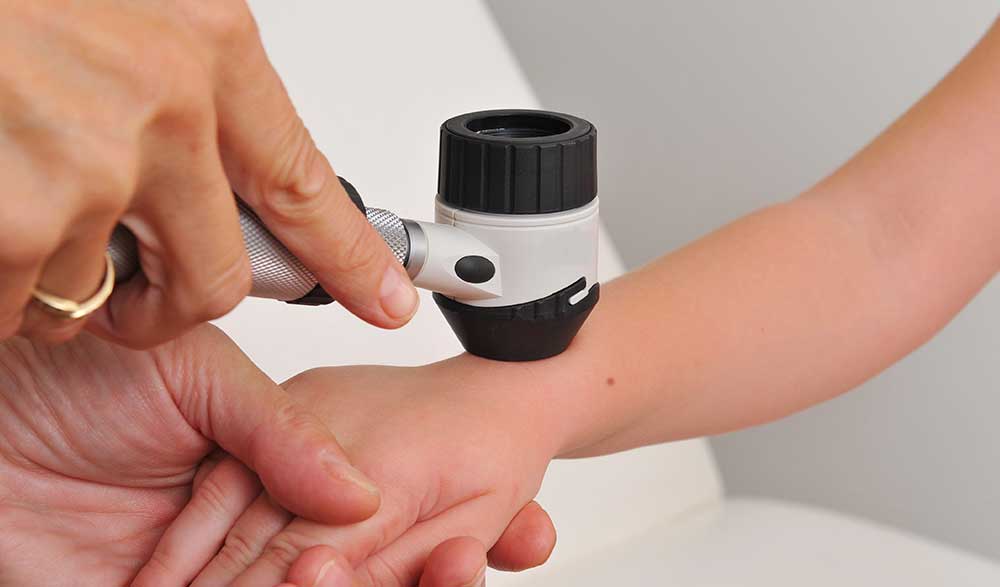
Abscesses often appear as red, swollen, tender lumps that may feel warm to the touch. As pressure builds inside the abscess, pain often increases.
Because other skin conditions can resemble an abscess, an accurate diagnosis is the first step toward effective treatment.
Common Symptoms of an Abscess
Symptoms can vary depending on the size and location of the infection but commonly include:
- A painful lump beneath the skin
- Redness surrounding the area
- Swelling
- Warmth
- Increasing tenderness
- Drainage of pus
- Fever or chills in more severe infections
If you develop fever, rapidly spreading redness, severe pain, or swelling near the face, spine, or genitals, seek prompt medical evaluation.
What Causes an Abscess?
Abscesses most commonly occur when bacteria enter broken skin.
Risk factors include:
- Cuts or scrapes
- Ingrown hairs
- Insect bites
- Blocked sweat or oil glands
- Friction from shaving
- Diabetes
- Weakened immune systems
- Certain chronic skin conditions
While anyone can develop an abscess, prompt treatment often prevents the infection from becoming more serious.
Diagnosing an Abscess
Not every painful lump is an abscess. Cysts, swollen lymph nodes, lipomas, insect bites, and other skin conditions can appear similar.
At Midwest Express Clinic, our providers begin by examining the affected area and reviewing your symptoms. In many cases, an abscess can be diagnosed during a physical examination. If the area appears unusually large, deep, recurrent, or involves sensitive parts of the body, additional evaluation or referral may be appropriate.
Once your provider determines that an abscess is present, they’ll recommend the treatment that’s safest and most effective for your situation.
Abscesses & Cysts
Treatment at Home vs. Urgent Care
One of the most common questions patients ask is whether they can treat an abscess at home.
Very small, early abscesses may improve with warm compresses applied several times a day, which can encourage natural drainage. Keeping the area clean and avoiding unnecessary pressure may also help.
However, you should never attempt to squeeze, pop, or drain an abscess yourself. Trying to drain an abscess at home can push bacteria deeper into surrounding tissue, worsen the infection, increase scarring, or spread bacteria to other parts of the body.
You should Visit Urgent Care if:
- The abscess is becoming larger.
- Pain continues to worsen.
- Redness is spreading.
- You develop fever or chills.
- The abscess is on your face, near your eyes, spine, breast, or genitals.
- The area continues to refill after draining.
- Home care has not improved symptoms within a day or two.
Prompt evaluation allows your provider to determine whether drainage, antibiotics, or referral is the best next step.
How Urgent Care Treats an Abscess
Every abscess is different, which is why diagnosis comes before treatment.
After evaluating the affected area, your provider will determine the most appropriate course of care.
Treatment may include:
Incision and Drainage (I&D)
For many uncomplicated skin abscesses, the most effective treatment is a minor procedure called incision and drainage.
After numbing the area, the provider makes a small opening to allow the pus to drain safely. The wound may be gently cleaned, and in some cases, a dressing or packing material is placed to help it continue healing.
Antibiotics
Not every abscess requires antibiotics. Depending on the size of the infection, surrounding cellulitis, your medical history, and other factors, your provider may recommend oral antibiotics in addition to drainage or other treatment.
Referral When Appropriate
Some abscesses are too large, too deep, involve specialized areas of the body, or require imaging or surgical care beyond what is appropriate in an urgent care setting.
If that’s the case, Midwest Express Clinic will explain the findings and refer you to the appropriate specialist or emergency department for additional treatment. Our goal is always to diagnose the condition first, then provide treatment or guide you to the right level of care.
Abscesses & Cysts
Causes & Treatment
What causes abscesses or cysts?
Skin abscesses are caused by the inflammatory response to an infectious process, usually bacteria entering the skin. This can happen as the result of the obstruction of sweat or oil glands, an inflamed hair follicle, or a minor puncture of the skin. The inflammatory response triggers the formation of a cavity to contain the infection and prevent it from traveling to other parts of the body. The interior of the abscess then liquefies causing pus and localized swelling to develop. This combination of pressure and inflammation causes pain.
- Skin cysts typically develop due to an infection, clogged oil glands, or around a foreign object, such as an earring.
How are abscesses and cysts treated?
Abscesses can be treated with antibiotics and/or a process called “incision and drainage” (I&D) depending on location, depth, and size, among other factors that a medical professional would determine. Most abscesses will continue to get worse if left untreated, so it’s important to see a medical professional as early as possible.
Cysts typically don’t cause pain unless they rupture or become infected. If this occurs, then we recommend visiting us for an evaluation by one of our providers to determine if you have a cyst or an abscess. After a precise diagnosis, we will provide the appropriate treatment or refer you to the right specialist.
To inquire about having an abscess drained, visit one our Midwest Express Clinic urgent care locations.

How Much Does Abscess Treatment Cost?
The cost of abscess treatment depends on several factors, including:
- The complexity of the evaluation
- Whether incision and drainage is needed
- Any prescribed medications
- Your insurance coverage
- Whether additional follow-up care is required
Midwest Express Clinic accepts most major insurance plans and also offers self-pay options for patients without insurance. Our team can help answer questions about expected costs before treatment whenever possible.
Recovery and Aftercare
Most people begin feeling better once an abscess has been properly treated, especially after pressure from the trapped infection is relieved.
Your provider will give you detailed instructions for caring for the area, which may include:
- Keeping the wound clean and dry
- Changing bandages as directed
- Washing your hands before touching the area
- Taking prescribed antibiotics exactly as instructed
- Avoiding squeezing or picking at the wound
- Returning for follow-up if recommended
Healing time varies depending on the size and location of the abscess. It’s normal for some drainage to continue for a short period after treatment, but increasing pain, redness, fever, or swelling should be evaluated promptly.
When Should You Seek Emergency Care?
Many skin abscesses can be evaluated at urgent care.
However, call 911 or go to the nearest emergency room immediately if you experience:
- Difficulty breathing
- Rapidly spreading redness with high fever
- Severe swelling involving the face or neck
- Confusion or altered mental status
- Uncontrolled bleeding
- Signs of sepsis, such as rapid heart rate, confusion, or extreme weakness
These symptoms may indicate a more serious infection requiring emergency treatment.
Frequently Asked Questions
What's the difference between an abscess and a cyst?
An abscess is an infection filled with pus and is often painful, warm, and red. A cyst is typically a sac filled with fluid or other material and is usually not infected unless bacteria enter it. Because they can look similar, it’s important to have a provider evaluate the area before treatment.
How do you treat an abscess?
Treatment depends on the size, location, and severity of the infection. Some small abscesses may improve with warm compresses, while others require incision and drainage, antibiotics, or referral to a specialist. Your provider will diagnose the condition first and recommend the appropriate treatment.
Does urgent care drain abscesses?
Yes. Midwest Express Clinic can evaluate many skin abscesses and, when appropriate, perform incision and drainage for uncomplicated abscesses. If the abscess requires a higher level of care or specialist treatment, we’ll provide the appropriate referral.
Can antibiotics alone cure an abscess?
Sometimes, but many abscesses require drainage because antibiotics may not fully penetrate a pocket of pus. Your provider will determine whether antibiotics, drainage, or both are appropriate.
Can an abscess come back?
Yes. Some people develop recurrent abscesses, particularly if an underlying condition contributes to repeated infections. If abscesses continue to return, additional evaluation may be recommended.
Talk to a Provider at Midwest Express Clinic
A painful lump doesn’t always mean you have an abscess, and not every abscess requires the same treatment. The experienced providers at Midwest Express Clinic can diagnose your condition, determine whether treatment can be provided in urgent care, and refer you when specialized care is needed. Talk to a provider at Midwest Express Clinic if you have a painful skin infection or think you may have an abscess.