Medically reviewed by: Dr. Leonard, DO — Midwest Express Clinic
Author: Midwest Express Clinic Medical Team
Last reviewed: July 31,2026
It happens fast. A kitchen knife slips. A child takes a tumble on the sidewalk. A weekend project goes sideways. Suddenly you’re looking at a cut that’s clearly more than a bandage can handle — and you need to decide where to go.
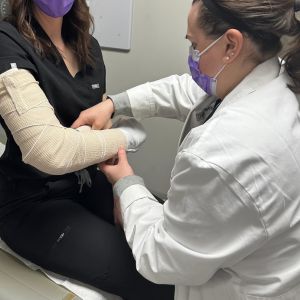
The short answer: yes, urgent care can do stitches. Midwest Express Clinic treats lacerations every day at our walk-in locations across Chicagoland and Northwest Indiana. If your cut is deep, won’t stop bleeding, or needs careful closure, our team can evaluate it, numb the area, and close the wound — no appointment, no ER wait, same-day care.
Here’s what you need to know about getting stitches at urgent care, what types of wounds we can handle, and when a cut does require the emergency room.
Walk in to any Midwest Express Clinic location — open seven days a week — and our team will evaluate your wound right away.
What Types of Cuts Can Urgent Care Treat?
Urgent care is the right choice for most lacerations that are not life-threatening. Midwest Express Clinic’s providers are trained and equipped to handle a wide range of wound closures, including:
- Straight or jagged cuts that are deep enough to need stitches but not actively spurting
- Lacerations on the arms, legs, hands, feet, scalp, and face — including areas near the eyebrow
- Cuts from glass, metal, kitchen tools, or other sharp objects
- Puncture wounds that need thorough cleaning and evaluation
- Wounds with an embedded foreign body — such as glass or gravel — that needs to be removed before closing
- Animal bites that break the skin and require wound care and assessment
- Lacerations in children and adults alike — our team is experienced with pediatric laceration repair
In addition to traditional sutures, our providers use a range of closure methods depending on the wound type and location — including staples, adhesive strips, and skin glue (tissue adhesive). Your provider will recommend the closure method most appropriate for your specific wound.
How Do I Know If a Cut Needs Stitches?
Not every cut needs stitches — but some definitely do, and waiting too long can make proper closure more difficult and increase infection risk. Here are the signs that a laceration should be evaluated by a provider:
- The wound is more than about half an inch long or appears deep
- The edges are gaping open and won’t stay together on their own
- Bleeding hasn’t slowed after 10 to 15 minutes of steady, direct pressure
- The cut is on the face, hands, or over a joint — areas where proper closure matters most for both healing and function
- You can see yellow tissue, fat, or anything that looks deeper than the skin surface
- The wound is ragged, jagged, or has missing skin
- The cut was caused by something dirty, rusty, or involved a human or animal bite
- You haven’t had a tetanus booster in the past five years
When in doubt, it’s always better to have a provider take a look. A wound that seems minor can sometimes be deeper than it appears — and getting it properly cleaned and closed right away is the best protection against infection and scarring.
Sick or injured? Get the personal care of primary care with the speed of urgent care. Walk in to Midwest Express Clinic, seven days a week.<
What Happens When You Come In for Laceration Repair?
One of the biggest advantages of choosing urgent care over the ER for a laceration is the difference in wait time. No one wants to spend hours in a crowded emergency room for a cut that an experienced provider can handle in under an hour. At Midwest Express Clinic, most patients are seen within 15 to 30 minutes of checking in — and you can check in online before you arrive to get the process started.
Here’s what a typical laceration repair visit looks like:
- Check in at the front desk or via online check-in — walk-ins always welcome, no appointment needed
- A provider examines the wound to assess depth, location, and the best closure approach
- The area is cleaned thoroughly to remove debris and reduce infection risk
- A local anesthetic is applied to numb the wound before closure — most patients say the brief numbing injection is the most uncomfortable part, and it passes quickly
- Stitches, staples, adhesive strips, or skin glue are used to close the wound, depending on what’s most appropriate
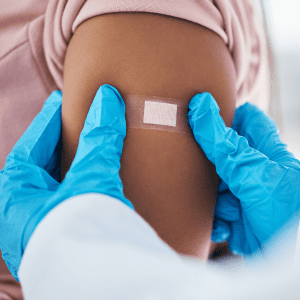
- A bandage or dressing is applied, and you receive detailed aftercare instructions including how to keep the wound clean and when to return for stitch removal
Most laceration repair visits are completed in under an hour from check-in to discharge — a fraction of the time you’d typically wait in a hospital emergency room for the same care.
When Should You Go to the ER Instead of Urgent Care?
Most cuts that need stitches can be safely handled at urgent care. However, some situations require emergency care immediately. Call 911 or go to the nearest emergency room if:
- Bleeding is severe, spurting, or cannot be controlled with firm pressure after 10 to 15 minutes
- The wound is on the neck, chest, or abdomen
- You suspect the wound has damaged a tendon, nerve, or major blood vessel — signs include loss of feeling, inability to move a finger or limb normally, or a wound far deeper than expected
- The injury involves a large area of skin loss or a complex wound that may require a surgeon
- The person is showing signs of shock — pale, confused, breathing rapidly, or unresponsive
- The cut is accompanied by a serious head injury, suspected fracture, or another emergency
Our providers will also refer you to an emergency room if they determine during your visit that your wound requires a level of care beyond what urgent care can provide. Your safety always comes first.
What About Aftercare — How Long Until Stitches Come Out?
Following aftercare instructions after wound closure is just as important as the repair itself. Here are some general guidelines — your provider will give you specific instructions based on your individual wound:
- Keep the wound clean and dry for the first 24 to 48 hours
- Avoid submerging the wound in water — pools, hot tubs, or baths — until it is fully healed
- Watch for signs of infection: increasing redness, warmth, swelling, discharge, or a developing fever
- Suture removal timing varies by location on the body — facial stitches typically come out in 3 to 5 days; hand and arm stitches in 7 to 10 days; leg and foot stitches in 10 to 14 days
- Return to any Midwest Express Clinic for stitch removal, or follow up with your primary care provider
If you notice signs of infection, worsening pain, or the wound reopens before your removal appointment, walk back in — no appointment needed.
Frequently Asked Questions
Does urgent care do stitches for kids?
Yes. Midwest Express Clinic’s team is experienced in treating pediatric lacerations. Children who need stitches can be evaluated and treated at our walk-in locations, including those with dedicated MEC Kids pediatric urgent care. We take extra care to make the process as calm and quick as possible for younger patients.
How much do stitches at urgent care cost?
The cost of laceration repair at urgent care varies depending on the size and complexity of the wound and your insurance coverage. Midwest Express Clinic accepts most major insurance plans, and transparent self-pay pricing is available for patients without coverage. Urgent care is typically significantly less expensive than an emergency room visit for a non-life-threatening laceration.
Do I need a tetanus shot when I get stitches?
It depends on the nature of the wound and your vaccination history. If the cut was caused by something dirty or rusty, or if you haven’t had a tetanus booster in five years, your provider may recommend one. Midwest Express Clinic offers tetanus vaccines at our locations as part of our shots and immunizations services.
Can urgent care remove stitches?
Yes. You can return to any Midwest Express Clinic location to have your stitches removed when the time comes — no appointment needed. If you received your stitches elsewhere, you are still welcome to come in for removal.
What if my cut is on my face?
Facial lacerations can often be treated at urgent care, particularly cuts near the eyebrow, forehead, or chin. Facial wounds close best when treated promptly. If your provider determines that the cut involves a delicate structure — such as the eyelid, the lip border, or a deeper wound affecting underlying tissue — they will refer you to the appropriate specialist. Come in and let us take a look.
What’s the difference between stitches, staples, and skin glue?
All three are used to close wounds, and the choice depends on the wound’s location, depth, and edges. Sutures (stitches) offer the most precise closure and are common on the face and hands. Staples are often used for scalp lacerations or long wounds on the arms and legs. Skin glue works well for small, clean cuts with easily aligned edges. Your provider will recommend the right method for your specific wound.
Get Your Cut Treated Today at Midwest Express Clinic
For most cuts that need stitches, Midwest Express Clinic is the faster, more affordable, and more convenient choice over the ER — with 50+ locations across Chicago neighborhoods, Chicagoland suburbs, and Northwest Indiana.
We’re open seven days a week, walk-ins are always welcome, and most patients are seen within 15 to 30 minutes. Check in online before you arrive to get ahead of the wait.
Find your nearest Midwest Express Clinic and get seen today — no appointment needed.
This post is for general informational purposes only and does not constitute medical advice. If you are experiencing a medical emergency, call 911 or go to the nearest emergency room immediately. Always consult a qualified healthcare provider regarding a specific injury or medical condition.